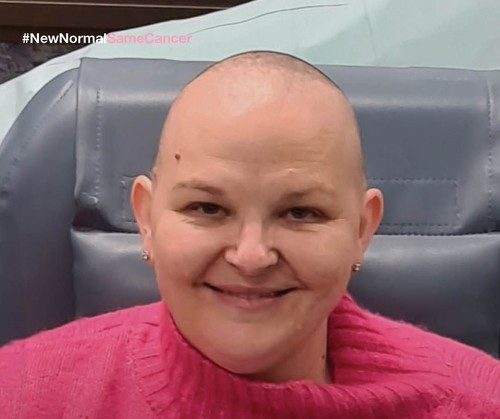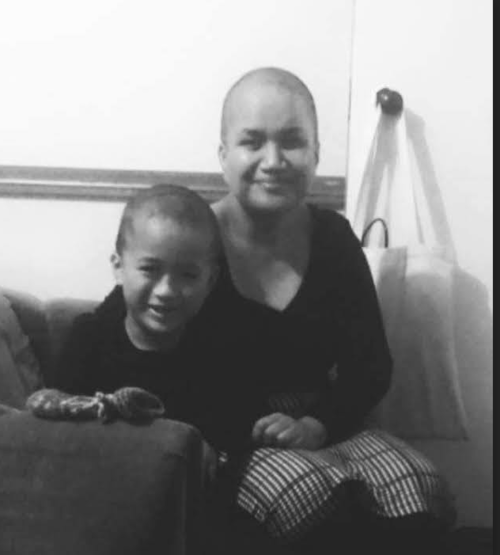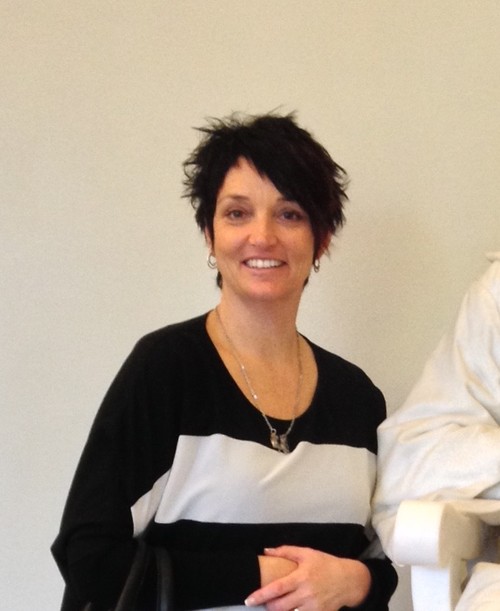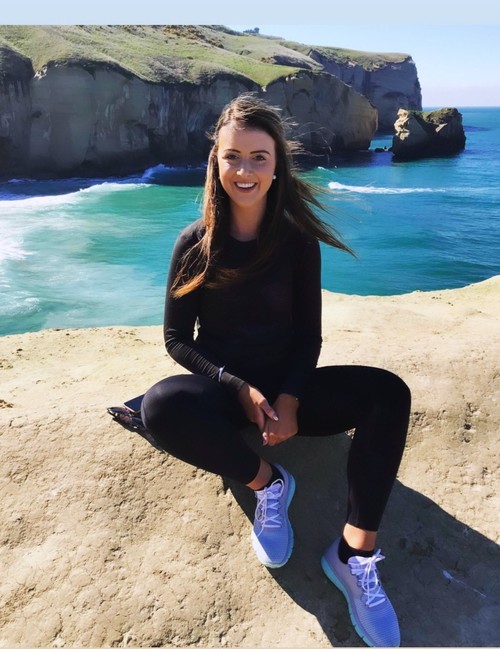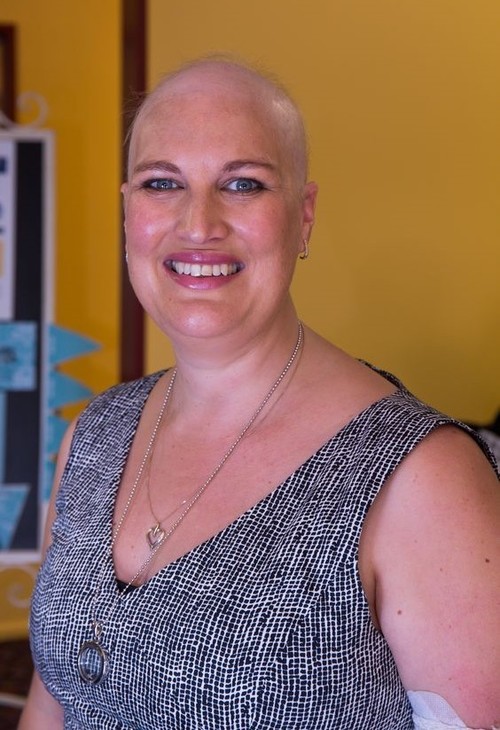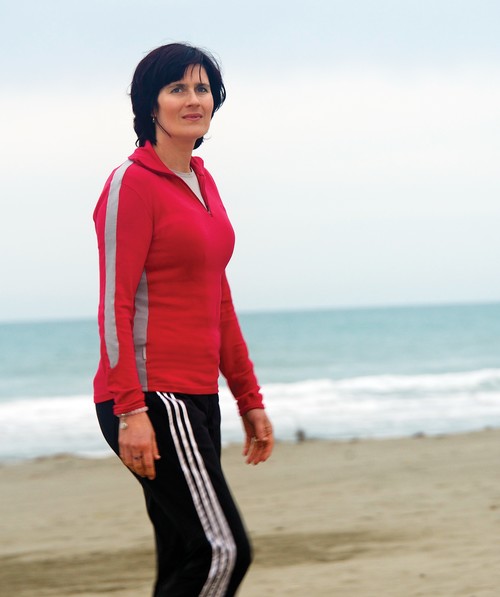

Conor Clarke (Ngāi Tahu), an artist and photography lecturer from Christchurch, was diagnosed with triple positive stage 3 lobular breast cancer in January 2022. Throughout her treatment, Conor has had a mixed experience with receiving people-centred care. Now for World Cancer Day, she’s sharing her story to help explain how personalised and supportive care makes a real difference in helping women to live well after breast cancer.
I was a healthy 39-year-old when I discovered a lump that turned out to be stage 3 breast cancer. I inherited the disease through my maternal line – both my mum and maternal aunt have had it twice, and their mum (my nan) died of it.
While living overseas I’d been getting annual breast exams by a doctor (because of the family history), but when I moved back to Aotearoa in 2019, it was something I never got round to sorting out. It’s so easy to get caught up in the busyness of everyday life, and forget that without your health, you’re not able to do any of it. One night while lying in bed thinking about all the stuff I needed to do (including prioritising my health), I gave my breasts a quick self-check, and that’s when I found the lump. It was big.
I made an appointment with my GP right away, but because it was coming up to Christmas, it took two weeks to be seen. She referred me to the breast clinic where I had scans and a biopsy, followed up by an MRI. It was somewhat of a shock to receive the diagnosis so young, but because we’d had so much illness in our family already, I’d become pretty desensitised to illness and was therefore quite pragmatic about it – “what do I need to do next?”.
My treatment included chemo to shrink the tumour before surgery, where I opted for a double mastectomy rather than single, with immediate reconstruction. One month following the surgery (the day I was set to begin radiation treatment), I began to feel unwell and ended up in ED with an infection from the original surgery. I was hospitalised for a week where they tried to treat what turned out to be the superbug MRSA. The infected breast had to be suddenly surgically removed, and I’ve been left lopsided and awaiting reconstructive surgery 2+ years later.
At my first check-up after the infection, I was made to feel like the infection came about because I wasn’t careful with my wound which was untrue. I was given a five-minute appointment where a curtain was pulled between myself and my support person, without any acknowledgement of the difficult circumstances that had brought me there. To me, this was not people-centred care, simply treating a wound rather than a person who had lost her breast for a second time without warning, and was in a vulnerable position.
I’ve had a better experience with tamoxifen, a hormone therapy I need to take for five years to prevent breast cancer coming back. I haven’t had too many side effects, and I’ve gotten used to most of them although some of them can be a bit anxiety-inducing, especially when trying to date again!
Thankfully, I’m working with a Breast Cancer Foundation nurse to manage side effects. The nurse, Katherine, contacts me every month to check in with how I’m doing. Knowing someone is there for you makes a real difference. You can Google stuff, but you just want someone trusted to talk to. The effects from breast cancer never really go away so it’s nice to know you’re still cared for and not forgotten.
I also have a new GP who specialises in women’s health. I’ve specifically sought out doctors who are good with that stuff and it’s really helped. You can tell she cares, she takes the time to look into things for me and follows up, which I really appreciate.
Now that I have a supportive team around me, it’s made a huge difference to my outlook. It’s so important to know I can trust and rely on them, and that they genuinely care. It makes it easier to keep taking hormone therapy every day to make sure I never have to go through the harder treatment like chemo and surgery again.